We help businesses manage IT operations and security processes in a structured way. Our services cover IT service desk support, user requests, vulnerability and patch management, change management and security incident response. We tailor service scope, responsibilities and response times to each customer's infrastructure and agreed support arrangements.
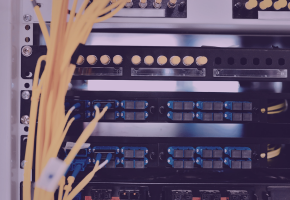
We log, manage and resolve user requests and operational IT issues. Our service desk support helps businesses organise technical assistance, track request status and coordinate resolution according to the contracted services and service level agreements (SLAs).

We help investigate and respond to security incidents affecting IT infrastructure. Our services include identifying potential causes, recommending measures to limit the impact and coordinating steps to restore affected services within the agreed scope.
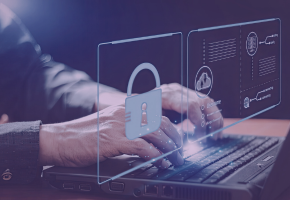
We identify and assess known security vulnerabilities across IT systems and infrastructure. We help prioritise remediation and recommend corrective measures based on security risks and operational requirements.
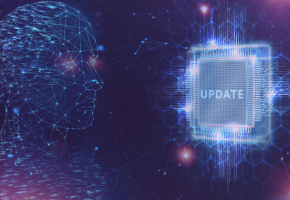
We plan and manage operating system updates, software updates and security patches. Deployment planning takes into account technical dependencies, security risks and the stability of the customer's IT environment.

We plan and coordinate changes to IT infrastructure, systems and configurations. We help assess potential impacts, manage dependencies and reduce operational risks associated with uncontrolled changes.
We help businesses establish and improve operational and security processes across their IT infrastructure. Our service desk support, vulnerability management, patch management and change management services are tailored to existing systems, internal IT resources and operational requirements.

For businesses that need a structured approach to logging and resolving user requests, operational issues and technical support cases.

For organisations looking to manage known vulnerabilities, plan security updates and establish procedures for responding to security incidents.

For IT teams that need to plan system and configuration changes, assess their impact and reduce the risk of disruption during implementation.

Logging and tracking user requests and operational issues helps maintain visibility into their status and resolution. Support scope and response times are governed by the agreed SLA.

When a security incident occurs, we help investigate potential causes, assess the impact and coordinate corrective measures. Specific procedures and support availability depend on the contracted services.

Identifying known vulnerabilities and planning security updates helps prioritise remediation based on security risks and operational requirements.

Planning and assessing changes to systems and configurations helps reduce operational risks. We take technical dependencies and potential impacts on service availability into account.
Well-defined IT processes help organisations manage operational issues, security incidents, vulnerabilities and infrastructure changes. Here are answers to common questions about IT service desk support, patch management and IT operations.

IT monitoring automatically tracks the status of infrastructure, systems and services. When an issue is detected, monitoring tools can generate alerts according to configured rules.
IT service desk support involves logging, assessing and resolving user requests and operational issues. It may respond to monitoring alerts as well as requests reported directly by users.
Automated monitoring can operate continuously, 24/7. Human support availability, response times and escalation procedures depend on the contracted services and SLAs.
Security incident response begins with assessing the available information and evaluating the potential impact on an organisation's systems, data and operations.
Depending on the nature of the incident, the response may involve containing the threat, investigating its causes, implementing corrective measures and restoring affected services.
Specific procedures, responsibilities and technical support availability depend on the agreed service scope. Not every security alert represents a confirmed incident.
Vulnerability management is an ongoing process of identifying, assessing and addressing known security weaknesses across IT systems and infrastructure. It helps organisations prioritise remediation based on the risks involved.
Penetration testing is a targeted security assessment in which testers attempt to identify and validate exploitable weaknesses within an agreed scope.
These approaches can complement each other, but vulnerability management alone does not replace penetration testing.
We plan operating system and software updates around security risks, technical dependencies and the organisation's operational requirements.
Before deployment, it is important to assess patch severity, compatibility and potential impacts on applications and services. Depending on the environment, suitable maintenance windows, validation procedures and rollback options can be defined.
The goal is to reduce risks associated with outdated software while minimising disruption to business operations.
Uncontrolled changes to configurations, systems or network environments can cause outages, security issues or complications in infrastructure management.
IT change management helps organisations plan technical changes, assess their impact, assign responsibilities and document completed work.
We tailor the process to the organisation's size and operational needs. The objective is not to introduce unnecessary bureaucracy, but to improve control over changes and their potential impact on IT services.
We help businesses improve IT service desk support, vulnerability and patch management, security incident response and change management. Let's define the right service scope and responsibilities for your IT infrastructure and operational needs.